The Allure of Ari's Hidden Walls
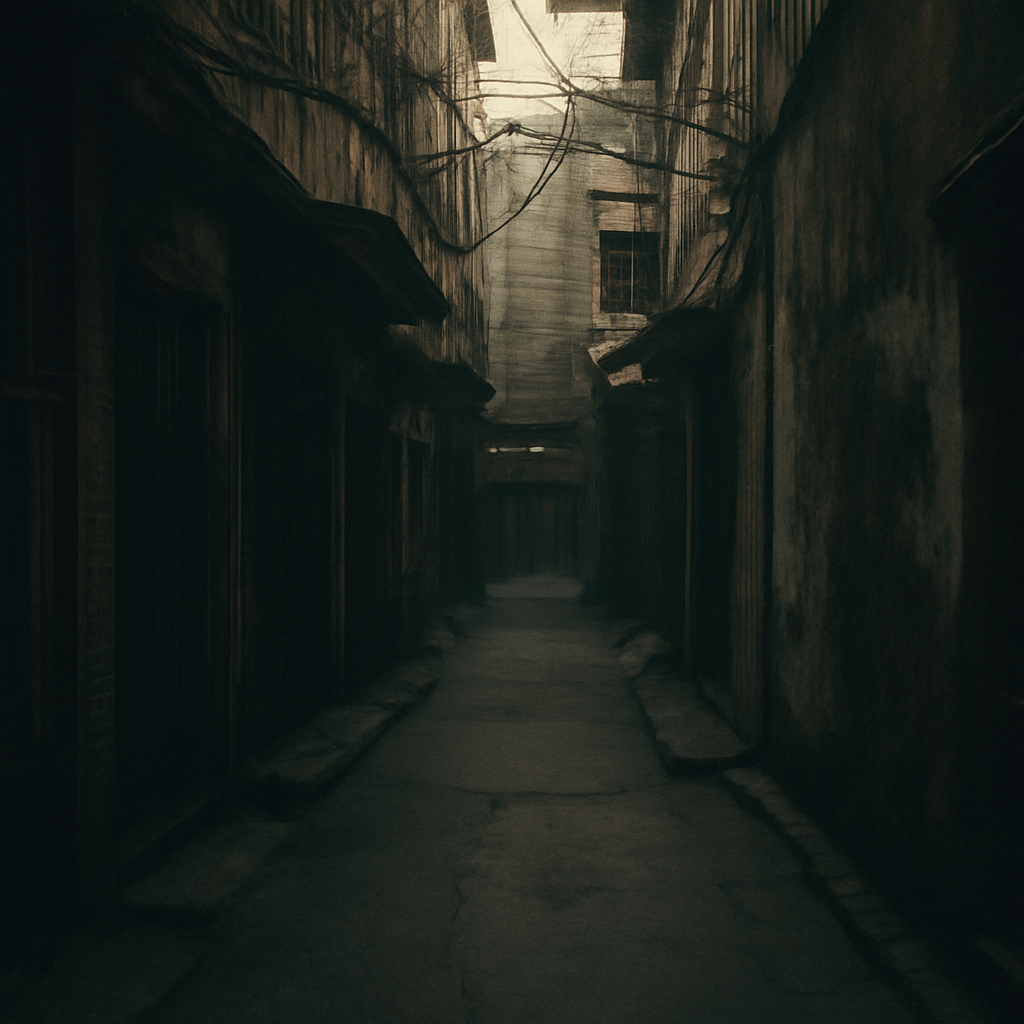
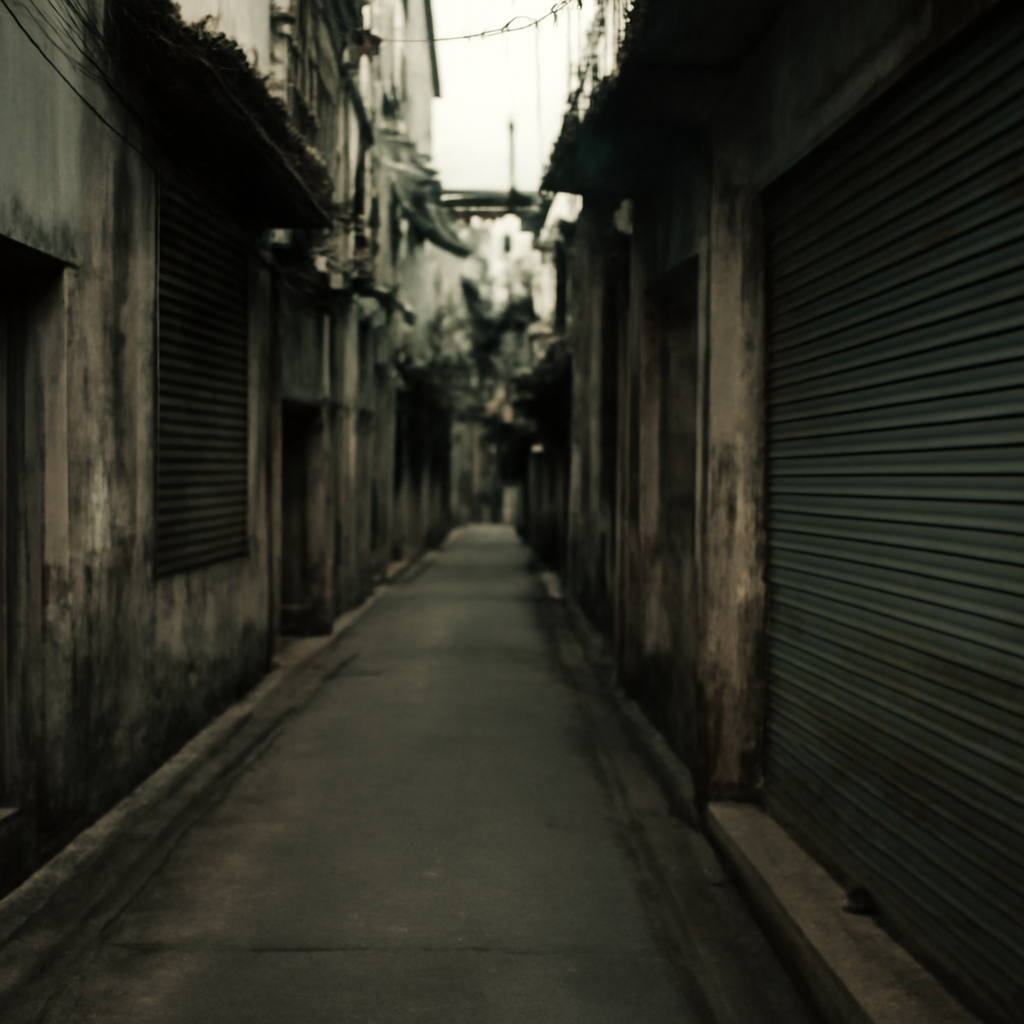
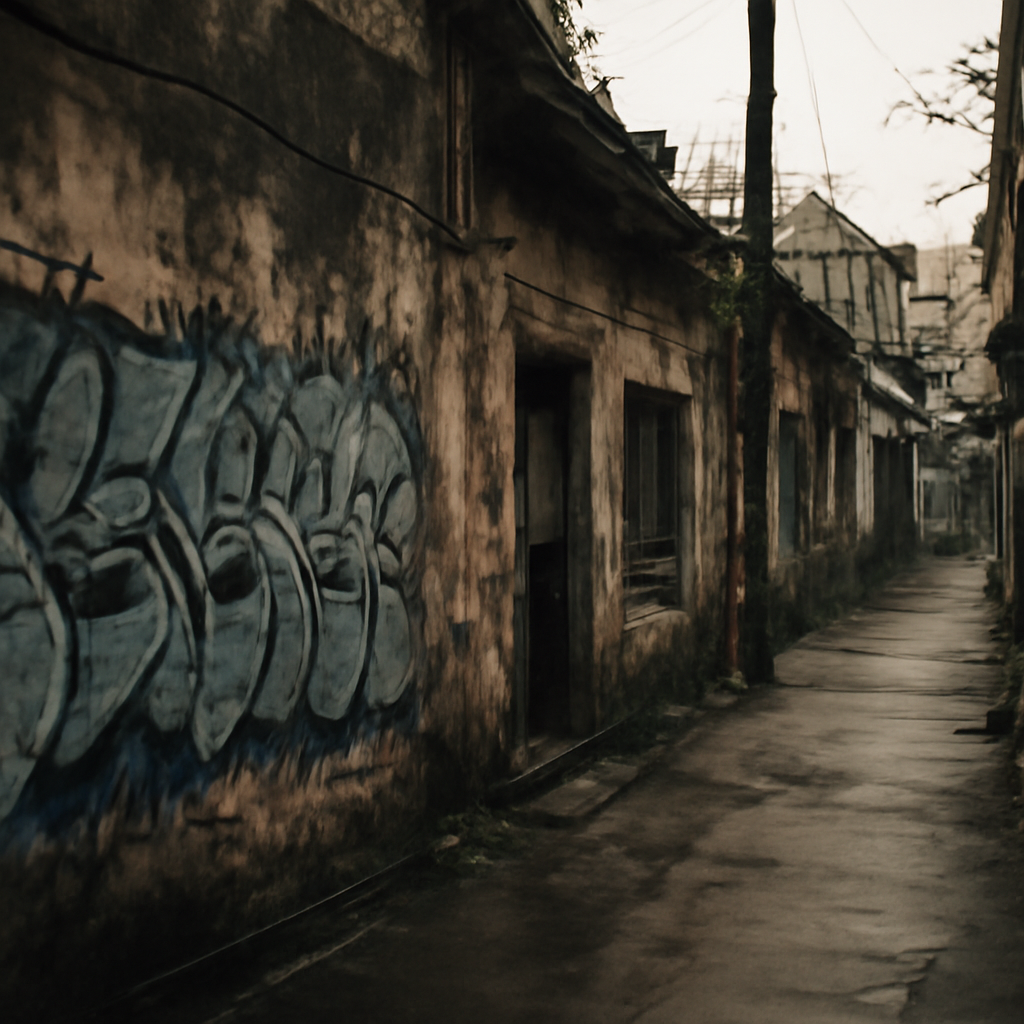
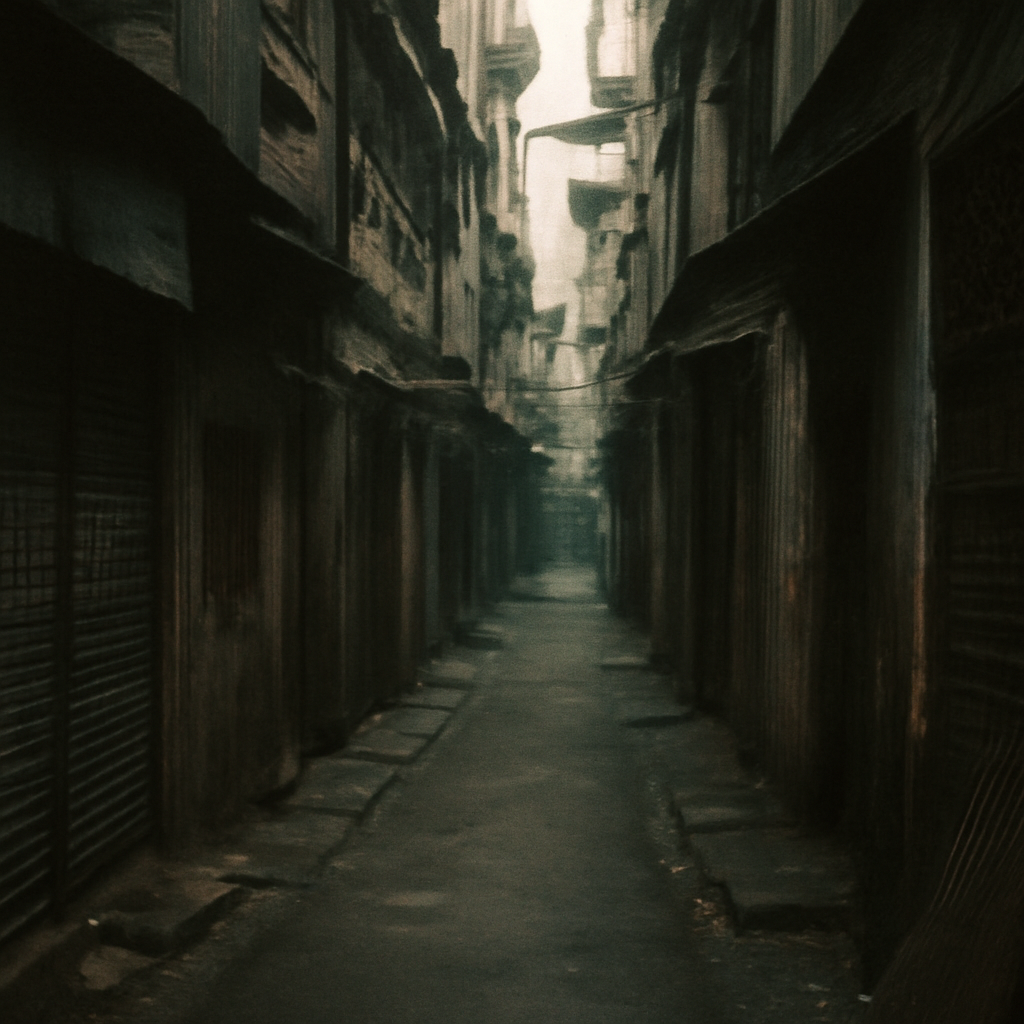
I slipped into Ari's tangled sois just as the sun dipped behind the concrete jungle, where the air hung thick with the scent of jasmine and exhaust. Faded murals sprawled across cracked brick, their bold strokes whispering tales of anonymous artists who vanish like ghosts. Each tag, a cryptic signature in aerosol, caught the fading light, making the walls pulse with a quiet defiance.
The hum of motorcycles echoed off the narrow paths, mingling with distant calls of street vendors hawking som tum. I traced my fingers over the rough texture of a giant khlong-side mural, its colors blurred by rain and time, revealing layers of history in every flake of paint.
Encounters with the Artists
One evening, I spotted a figure with a spray can under a flickering streetlight, his movements swift and deliberate. He nodded briefly, a farang like me, before vanishing into the shadows, leaving behind a fresh tag that smelled of sharp chemicals cutting through the night's dampness. These creators work in secrecy, turning ordinary walls into canvases that challenge the city's relentless pace.
The art here isn't just paint; it's a voice for the overlooked, etched into the metal grates of old shophouses. I heard snippets of conversation in Thai from passersby, their laughter blending with the rustle of leaves, as if the murals themselves were joining in.
A Sensory Journey Through the Graffiti
The air in Ari's deeper alleys carried the metallic tang of rain on asphalt, punctuated by the distant thrum of BTS trains overhead. A massive installation on a warehouse wall depicted mythical nagas twisting through urban chaos, their scales textured like weathered skin under my fingertips. Sounds of children playing in a nearby playground added a layer of innocence to the raw energy of the sprays.
I paused at a forgotten corner near Soi Ari 5, where tags overlapped in a chaotic dance, the scent of nearby grilled skewers wafting in. Each piece told a story—of protests, dreams, and the everyday grind—captured in the glossy sheen of fresh paint against faded relics. The quiet here was deceptive, broken only by the occasional bark of a soi dog, urging me to linger and absorb.
The Textures and Scents of Street Art
Rough concrete walls in Ari's backstreets bore the weight of years, their surfaces gritty and uneven, perfect for the artists' tools. I smelled the mix of betel nut spit and blooming frangipani as I photographed a vibrant—wait, no, a striking mural of a floating market scene, its details popping against the dim backdrop. The art's edges curled slightly, inviting touch, a reminder of how impermanent these expressions are.
Hidden installations near the khlongs featured twisted metal and spray, their forms echoing the water's ripple. Sounds of lapping waves and distant boat engines created a symphony that made the art feel alive, breathing with the city's rhythm.
Uncovering Layers of History
In these overlooked spots, older graffiti from the 90s layered over newer works, creating a palimpsest of urban evolution. I wandered past a wall adorned with political symbols, the paint flaking to reveal underlying messages from past upheavals. The air grew heavier with the aroma of night-blooming flowers, as if the art itself exhaled secrets.
Each discovery led to another, like following a trail of breadcrumbs through the sois. I heard the soft shuffle of feet from locals who glanced curiously, their murmurs in Thai adding to the mystery. This is Bangkok's underbelly, where street art bridges the past and present in silent conversation.
The Artists' Invisible Threads
Though I never met them face-to-face, the artists' presence lingered in every stroke. A tag near a coffee shop, still wet with paint, hinted at midnight sessions fueled by strong Thai coffee. The sounds of the city—honking taxis and chattering birds—seemed to inspire their work, turning chaos into poetry.
I captured photos of a collaborative mural on an abandoned building, its themes of community woven into the fabric of Ari's daily life. The scent of rain-washed streets enhanced the experience, making each frame feel like a stolen moment from the shadows.
| Place | What | Access | Hours | Notes |
|---|---|---|---|---|
| Ari Soi 3 Wall | Faded mural collection | Walk from BTS Ari station | Anytime | Look for the dragon tag at night |
| Khlong Ari Banks | Industrial installations | Follow the canal path from Soi 1 | Dusk to dawn | Best with a flashlight for details |
| Soi Ari 7 Corner | Layered tags and pieces | Turn right at the 7-Eleven | Evening onwards | Respect ongoing artist work |
| Abandoned Warehouse | Large-scale murals | Through a side alley off main soi | Anytime, but avoid crowds | Watch for security guards |
| Coffee Shop Facade | Fresh aerosol tags | Near Ari Soi 5 entrance | Daylight hours | Chat with baristas for stories |
Key Takeaways
- Explore with a map app to navigate Ari's winding sois safely.
- Carry a small notebook for sketching or noting artist styles.
- Always ask permission before photographing private walls.