Navigating Thonburi's Elusive Waterways
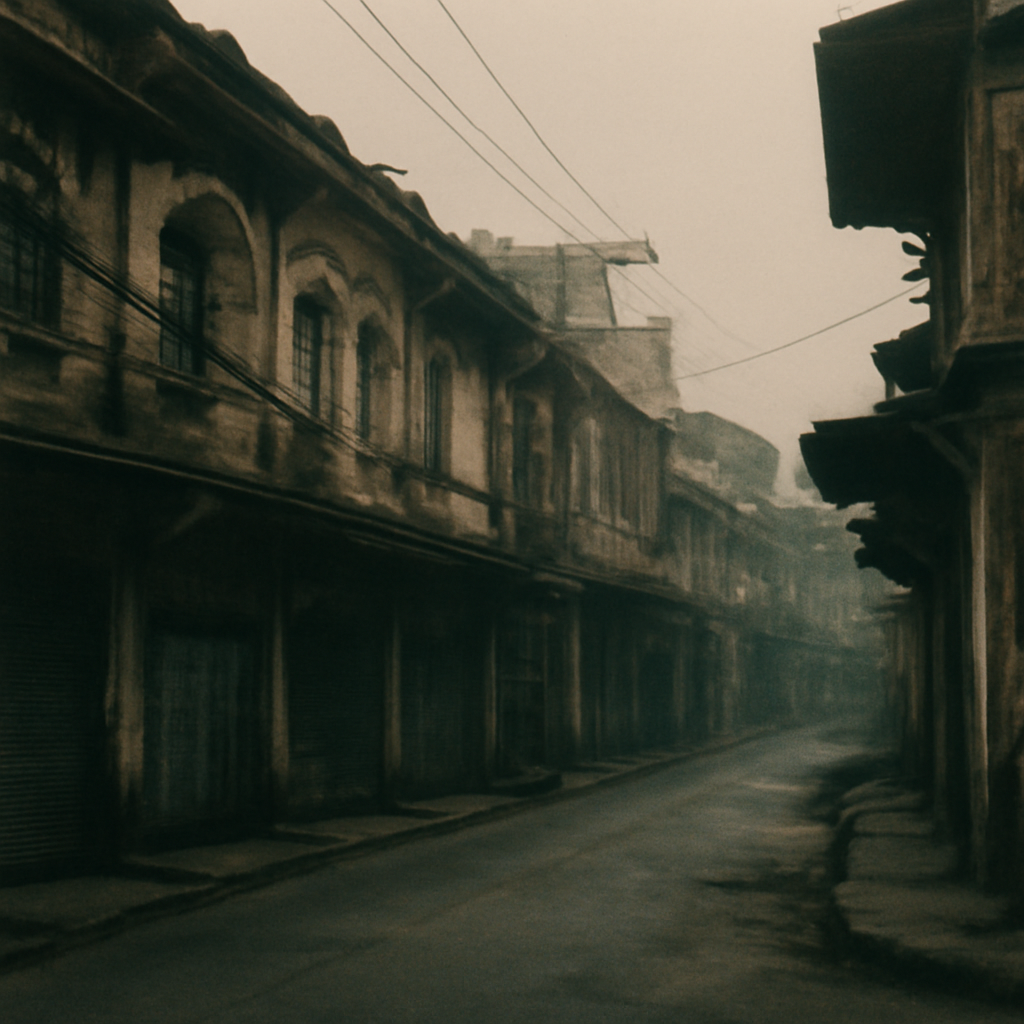
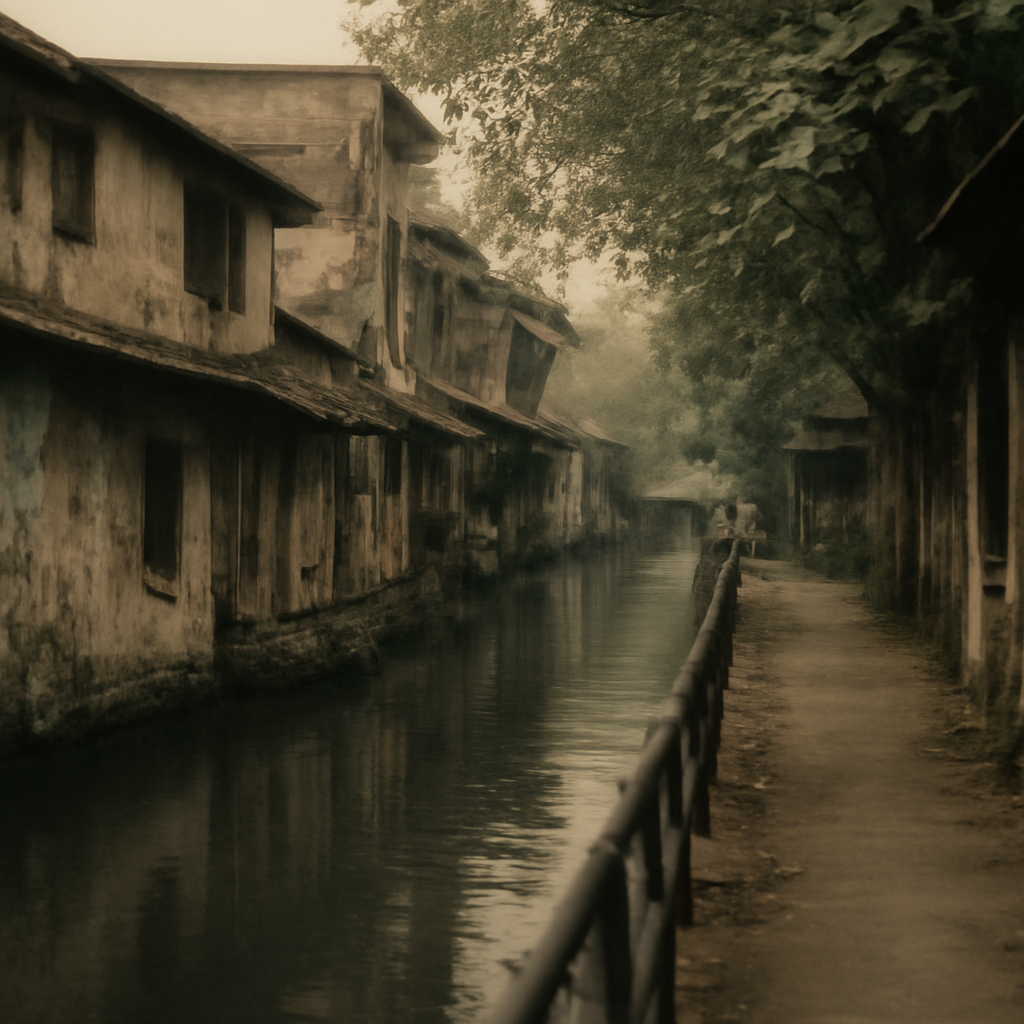
I wandered down a narrow soi off Charan Sanit Wong Road, where the air grew thick with the scent of damp earth and rotting frangipani. The khlong's surface rippled under a low-hanging mist, carrying echoes of distant boat engines and the occasional splash of fish. It's easy to miss this turn if you're not paying attention, but that's the thrill—stumbling upon these forgotten channels that feel like Bangkok's secret veins.
The sun filters through tangled vines overhead, casting dappled light on weathered teak houses balanced on stilts. I heard the soft thud of paddles against water, mixed with calls from vendors hawking fresh lotus stems. Getting here means weaving through local neighborhoods, where laundry flaps like flags in the breeze and cats dart between shadows.
How to Reach These Hidden Paths
Start from Saphan Phra Pin Klao Bridge and head west along the Chao Phraya, but veer into the side streets that locals call their own. The smell of grilled som tum from roadside carts guides you, mingling with the musty odor of the khlong itself. It's a short walk or a quick ferry ride, but watch for the unmarked alleys that twist unexpectedly, leading to wooden piers half-swallowed by greenery.
Once you're there, the path narrows to a muddy trail beside the water. I felt the squish of red clay under my shoes, heard the rustle of leaves as birds took flight. Timing is key—arrive early when the light is soft, and the place feels alive with subtle sounds, far from the daytime crowds.
What to Know Before You Go
Thonburi's khlongs demand respect for their age-old rhythms; wear sturdy shoes for the uneven ground and bring a reusable water bottle to stay hydrated in the humid air. The faint aroma of jasmine from nearby gardens mixes with the brackish water, creating a scent that's both inviting and wild. It's not about ticking boxes—it's about letting the place unfold slowly, revealing its layers one at a time.
Keep an eye out for old wat compounds tucked along the banks, their bells chiming faintly in the wind. I spotted faded murals on crumbling walls, depicting myths that seem to breathe in the dawn light. Remember, this isn't a polished tour; it's raw, with overhanging branches brushing your face and the distant hum of city life fading away.
Seasonal Tips for the Best Experience
In the rainy season, the khlongs swell, turning paths into glistening mirrors that reflect the sky's moody grays. The sound of rain pattering on banana leaves adds a rhythmic backdrop, while the air grows heavy with petrichor and river moss. Avoid peak floods, though—they can make navigation tricky, turning a simple walk into an unexpected adventure.
During cooler months, the water's edge teems with life: egrets wading silently, their white feathers stark against the dark water. I paused to listen to the low buzz of insects and the creak of bamboo swaying, feeling the pulse of a Bangkok that's often overlooked. Pack light, but don't forget your camera for those fleeting moments when the light hits just right.
Exploring the Overlooked Spots Along the Way
Venture deeper and you'll find hidden piers where old longtail boats bob lazily, their engines silent for now. The texture of rope-worn wood under your fingers tells stories of decades past, while the salty tang of the water mixes with street food aromas drifting from nearby sois. It's a place where time slows, and every corner holds a surprise, like a forgotten shrine draped in offerings.
One path leads to a cluster of stilt houses, their thatched roofs whispering in the breeze. I caught the scent of brewing coffee from a riverside cafe, heard children's laughter echoing across the water. These spots aren't on maps, but that's their charm—discovering them feels like uncovering a personal secret in the heart of the city.
Practical Insights for Safe Exploration
Always check the tide levels before setting out; high water can flood the lower paths, turning them into slippery hazards. The air here carries a mix of fishy river smells and sweet tropical flowers, grounding you in the moment. Go with a friend if you're unsure—these areas are safe but labyrinthine, with turns that can lead you astray.
If you get lost, just follow the call of mue mue birds or the distant toll of a wat bell. I once sat on a rickety bench, feeling the warmth of the wood and watching dragonflies skim the surface, reminding myself that getting mildly lost is part of the joy. Bring some baht for local ferry fares; they're the best way to hop between hidden gems.
| Place | What | Access | Hours | Notes |
|---|---|---|---|---|
| Wat Rakhang Pier | Ancient wooden dock | Walk from Saphan Phra Pin Klao | Dawn to dusk | Best at low tide for clear views |
| Khlong Bangkok Yai Path | Overgrown riverside trail | Ferry from Tha Phra Chan | Anytime | Watch for slippery mud after rain |
| Stilt House Cluster | Traditional floating homes | Local longtail boat hire | Daylight hours | Ask locals for directions in Thai |
| Hidden Shrine Nook | Faded riverside altar | Turn off Charan Sanit Wong Soi 1 | Sunrise onwards | Leave a small offering for good luck |
| Bang Yi Khan Canal Edge | Quiet bamboo-lined bank | BTS to Wongwian Yai, then walk | Early morning | Bring binoculars for birdwatching |
Key Takeaways
- Check weather apps for rain to avoid flooded paths.
- Use local ferries for easy, authentic access.
- Pack light and wear breathable clothes for the humidity.