Stumbling Upon the Shadows
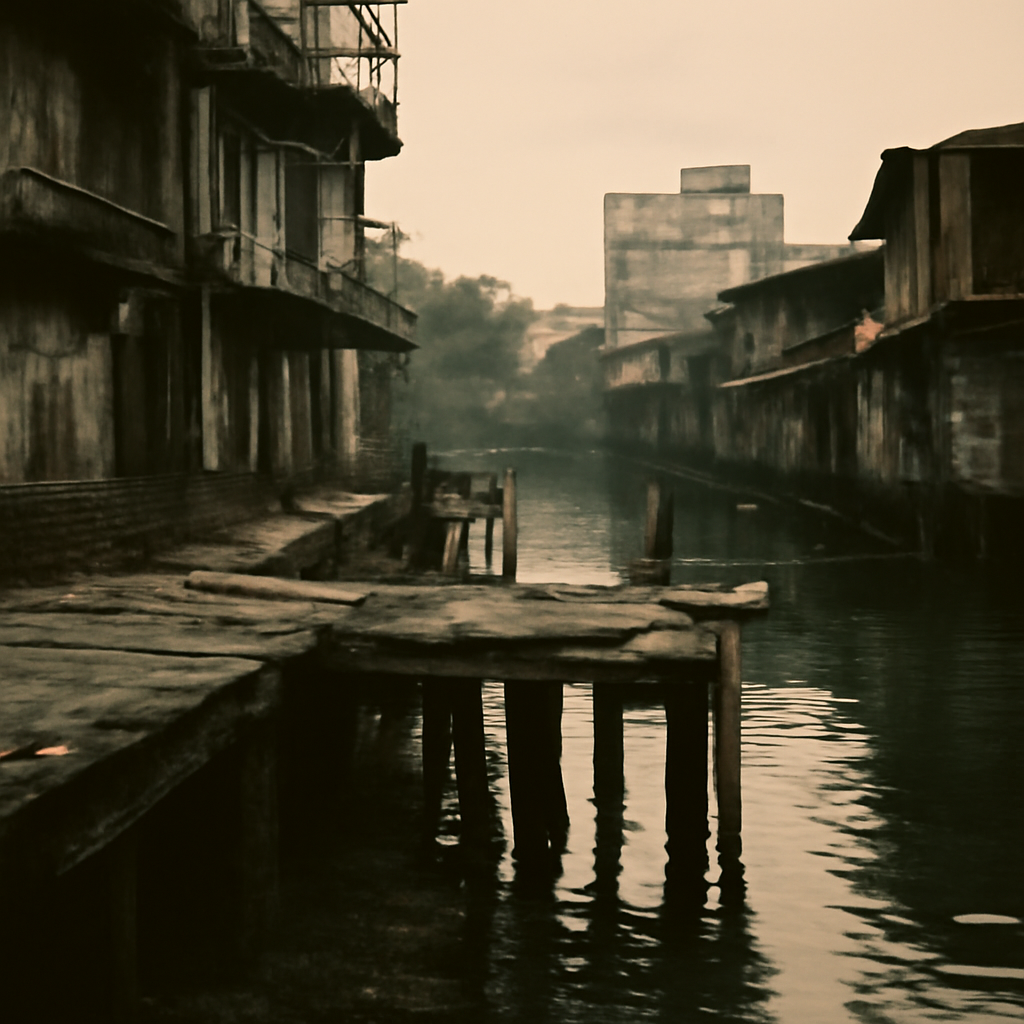
I turned down a narrow soi off Charoennakorn Road, where the hum of the city faded into the lap of the Chao Phraya. Wooden piers jutted out like skeletal fingers, their planks warped and splintered from years of neglect, creaking under my footsteps as if whispering secrets of long-gone traders.
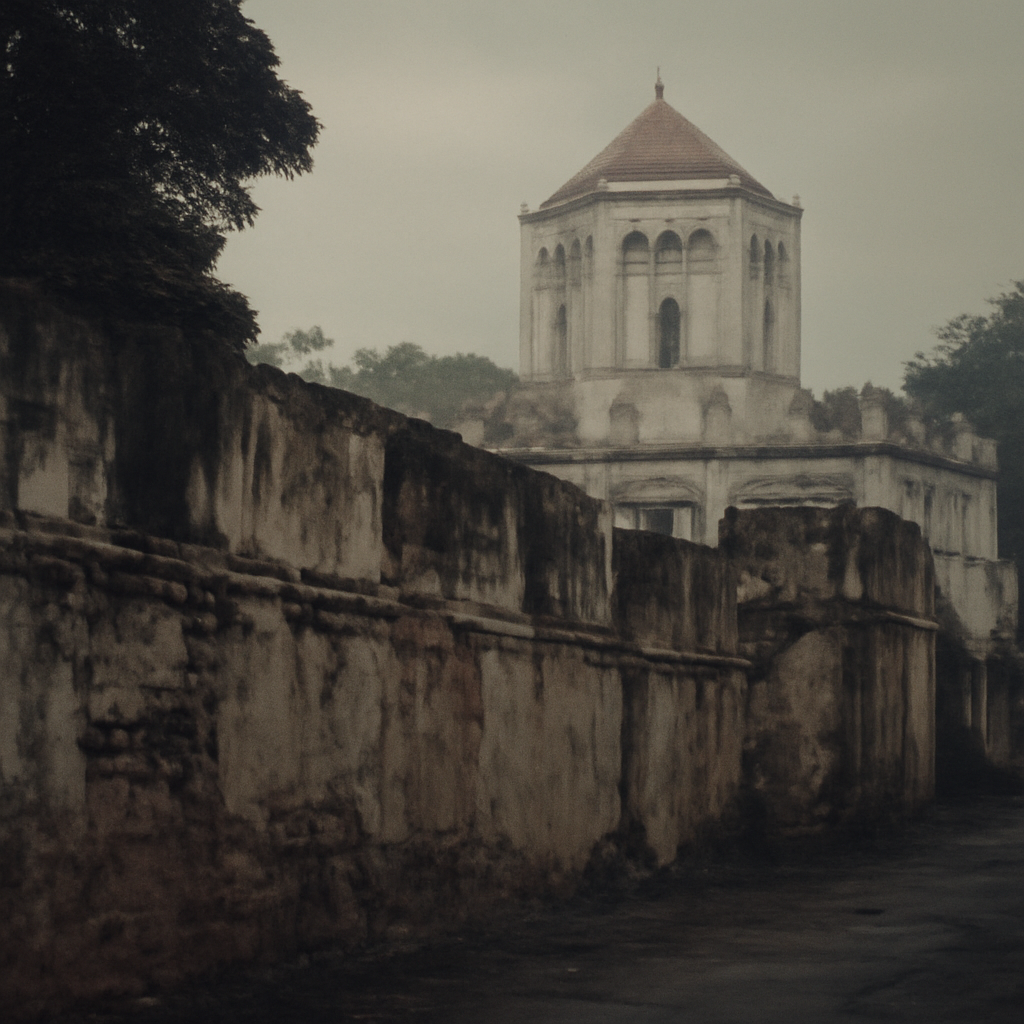
The air carried a sharp tang of brackish water and decaying wood, mixed with faint whiffs of fish scales left to rot in the sun. Here, in Khlong San's forgotten corners, time seemed to pool like the murky river, untouched by the skyscrapers across the water.
The Rusted Relics
One pier, barely standing, was draped in vines that twisted around rusted bolts, their leaves rustling in the breeze like hushed voices. I ran my hand along the flaking paint, feeling the grit of salt and grime, imagining the clamor of boats unloading sacks of rice and spices in a bygone era. The silence now was profound, broken only by the distant call of a riverboat horn, echoing like a ghost's lament.
Scattered barrels and frayed ropes lay abandoned, their textures rough and weathered, evoking stories of merchants who once haggled under the tropical sun. The smell of old engine oil lingered, a stubborn reminder of the soi's industrial past, blending with the earthy scent of the khlong's muddy banks.
Whispers in the Mist
As dusk fell, a thin fog rolled in from the river, turning the scene into a dreamlike haze. I heard the soft slosh of water against the piers, rhythmic and hypnotic, while birds nested in the crevices above cooed softly into the evening. It was easy to lose myself in this overlooked patch of Bangkok, where the city's pulse slowed to a murmur.
The light caught on broken glass embedded in the concrete, sparkling like forgotten jewels, and I caught a whiff of jasmine from a nearby soi, carried on the warm breeze. These derelict spots, hidden behind bustling wat and markets, held a quiet poetry, urging me to linger and listen.
Textures of Decay
Touching the cold, corroded metal of an old winch, I felt the layers of history etched into its surface, pitted and scarred. The ground was a mosaic of cracked tiles and overgrown weeds, their damp earth scent rising with each step. Sounds emerged from the shadows—a distant tuk-tuk's rattle, the occasional splash of a fish jumping in the khlong—painting a portrait of isolation amid the urban sprawl.
In one corner, a faded sign in Thai script hung askew, its letters worn to near-illegibility, hinting at a warehouse that once thrived. The air grew cooler as the sun dipped, carrying hints of street food from a farang-free alley, a stark contrast to this enclave of ruin.
Unearthing Hidden Layers
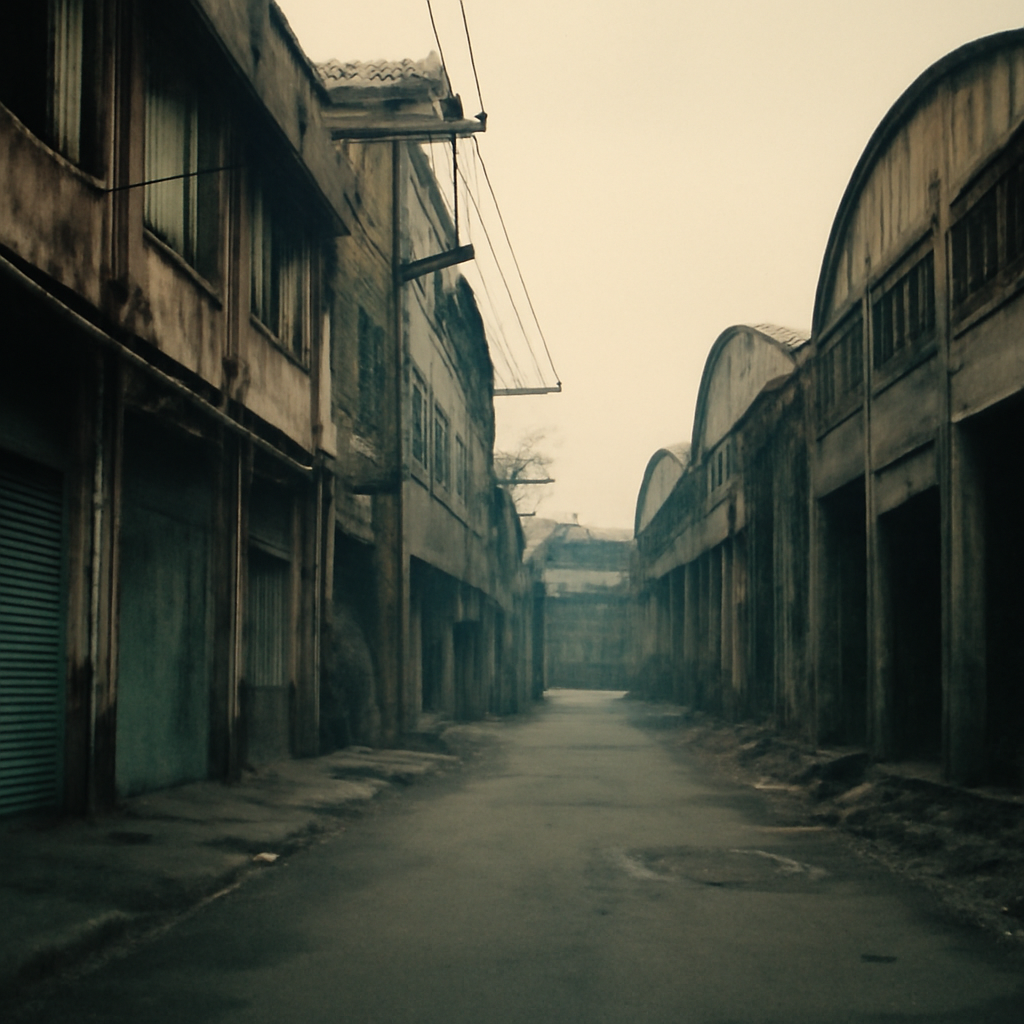
Deeper into the soi, I discovered crumbling shophouses backing onto the piers, their doors ajar and interiors shrouded in dust. The smell of mildew and stale air seeped out, mingling with the river's brine, as if the buildings themselves were exhaling forgotten breaths. Peering inside, I saw stacks of yellowed papers and rusted tools, relics of a time when this was a hub of commerce.
The play of light through shattered windows cast elongated shadows, dancing like spirits on the walls. I paused to listen to the creaks and groans of settling structures, a symphony of decay that spoke of Bangkok's relentless march forward, leaving these whispers behind.
A Glimpse of the Past
Along the water's edge, fragments of pottery and bottle caps littered the mud, their smooth surfaces worn by the tides. The sound of lapping waves provided a constant backdrop, punctuated by the occasional far-off temple bell from a nearby wat. It was here that I felt the true essence of urban exploration—the thrill of uncovering layers of history in a city that never stops evolving.
The piers' isolation offered a rare solitude, away from the baht-driven crowds, where one could reflect on the impermanence of it all. As I snapped photos of the fading light on the water, the scene etched itself into my memory, a poetic reminder of Bangkok's hidden scars.
Navigating the Forgotten Paths
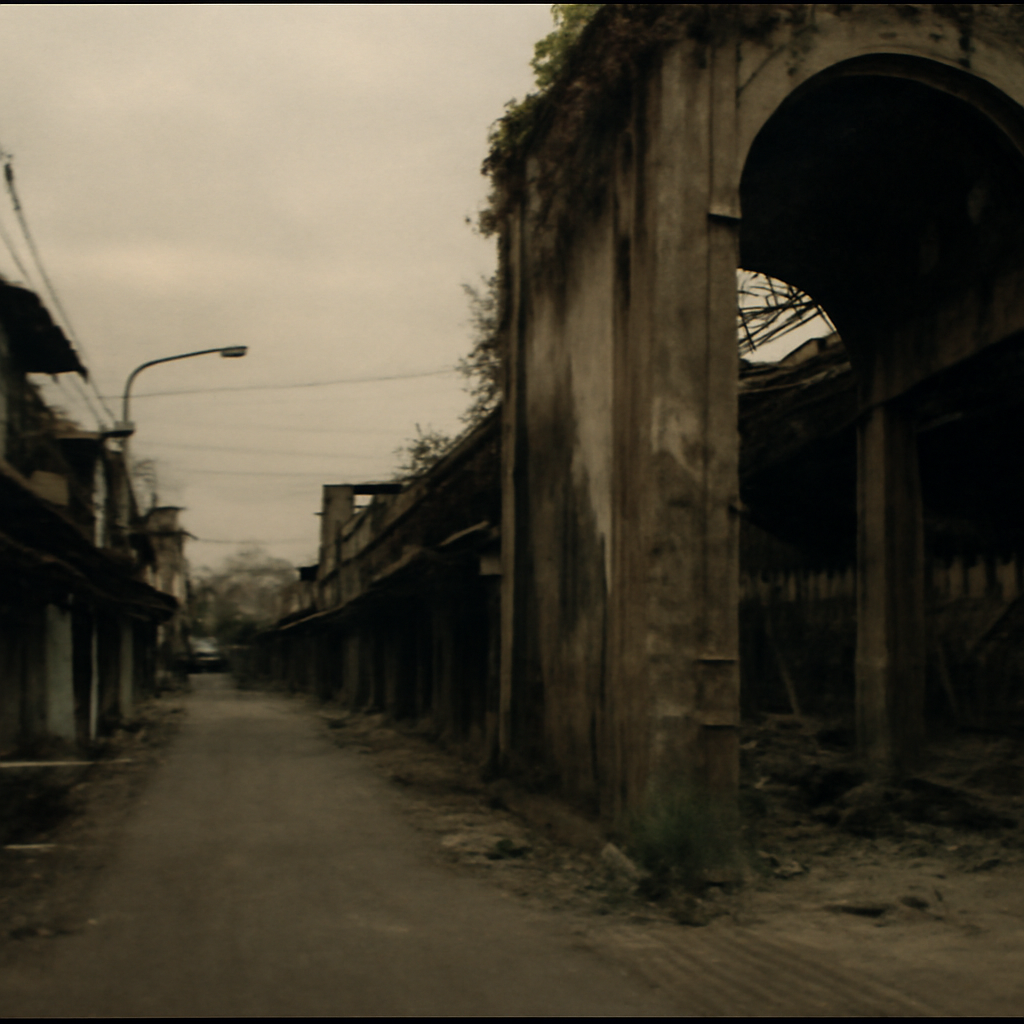
To reach these piers, I wove through labyrinthine sois, dodging potholes and low-hanging wires that hummed with electricity. The path was uneven, with gravel and broken asphalt underfoot, leading to spots where the river's edge revealed itself unexpectedly. Sounds of the city filtered in—the honk of motosai and chatter from a nearby market—but they felt distant, as if from another world.
The air grew heavier with moisture as I approached, carrying the unmistakable scent of the khlong's green algae and river mud. This was no polished tourist trail; it was a raw, unfiltered slice of Bangkok, where every step uncovered another layer of mystery.
Final Reflections
Leaving the piers, the fading light painted the sky in hues of orange and gray, mirroring the decay below. I carried with me the echoes of those forgotten tides, a subtle poetry in the rust and silence. In Khlong San, these overlooked relics remind us that even in a city of constant motion, there are places that hold still, waiting to be rediscovered.