Stepping into the Shadows
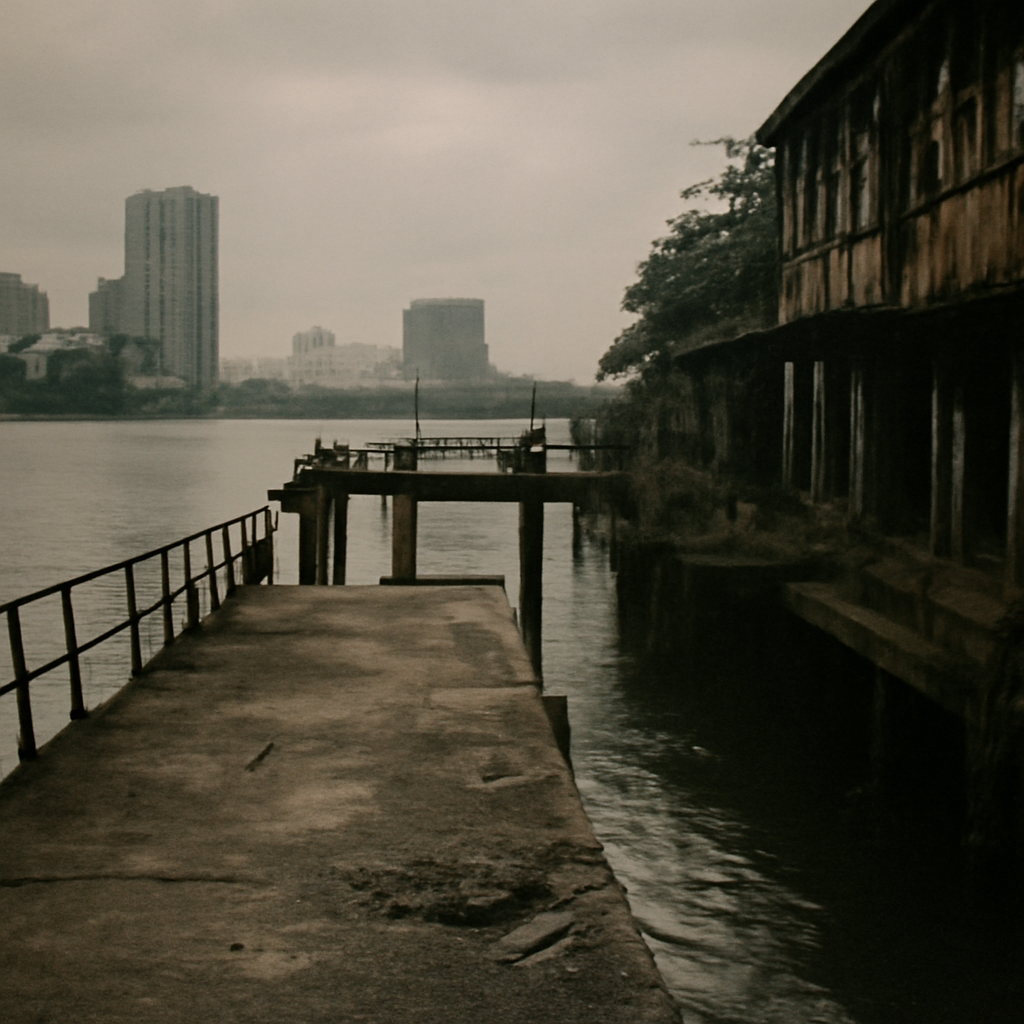
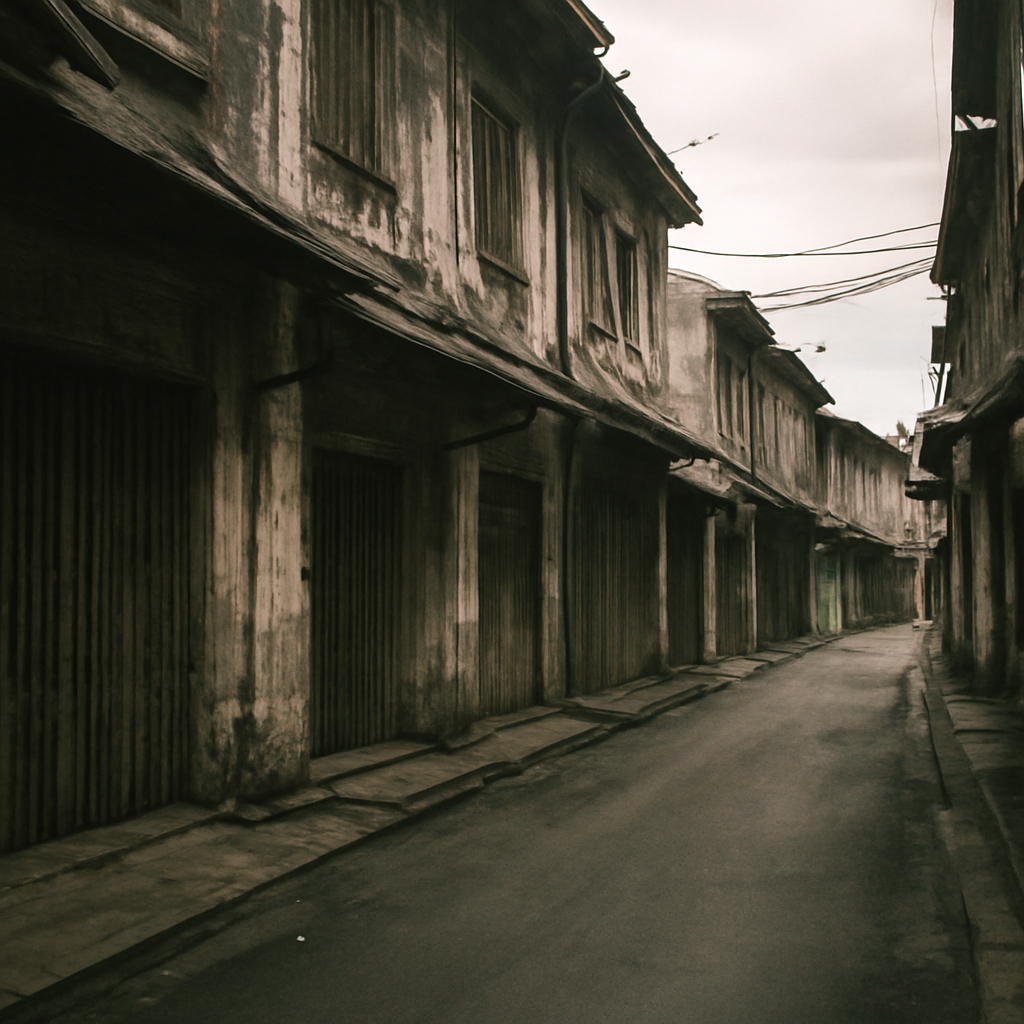
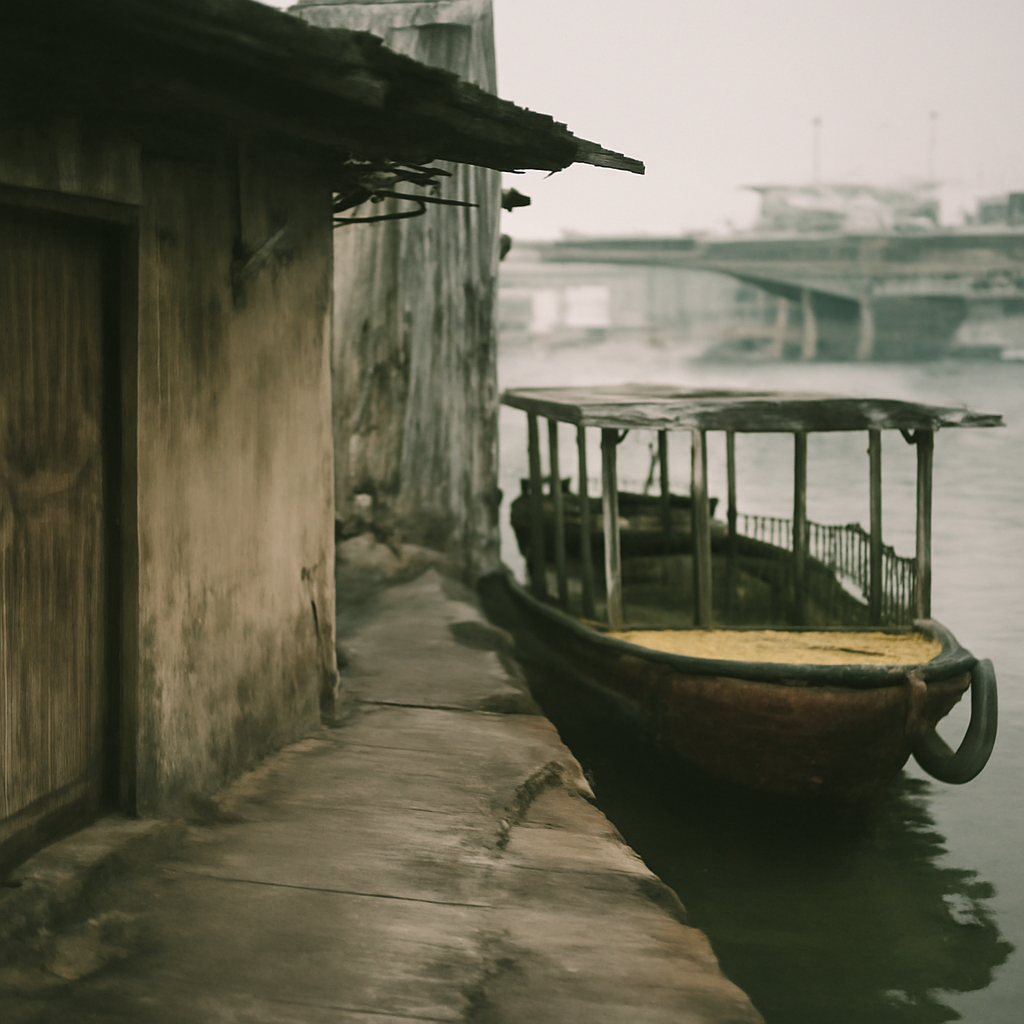
The sun dips low over Khlong San, casting long shadows across the wooden piers. I wander down Soi Charoennakorn 13, the air thick with the scent of brackish water and fried fish from nearby stalls. A faded blue boat rocks gently, its paint chipped like old secrets waiting to be told.
An elderly man named Somchai sits mending nets, his weathered hands moving with the rhythm of the tide. He glances up, eyes crinkling in a smile that speaks of years spent on these waters. This is where stories cling to the air, mixed with the hum of passing longtails and the distant call of vendors.
Voices from the Water's Edge
Somchai's tale begins with the dawn, when khlongs buzzed like veins through the city. He describes the old ferry routes, the creak of bamboo poles against hulls, and the sharp tang of diesel that lingers even now. His words paint pictures of crowded boats carrying market-goers, their laughter echoing off the concrete banks.
Nearby, another figure, Aunt Noi, stirs a pot of tom yum over a makeshift stove. Her stories weave in the smell of lemongrass and the sound of water lapping at rotting piers, recounting how floods once reshaped lives here. These aren't just memories; they're threads of Bangkok's unseen fabric, pulled from the shadows.
Echoes of Forgotten Journeys
Walking along the khlong, I hear the soft splash of oars cutting through the green murk. Somchai points to a rusted sign, half-swallowed by vines, marking a spot where royal barges once passed. The air carries a mix of rotting mangroves and sweet jasmine from a hidden garden, grounding his words in the present.
Aunt Noi shares how the rhythms of the river shaped her youth, with early mornings filled with the chatter of farang tourists and the sharp honk of tuktuks crossing bridges. Yet, beneath it all, there's a quiet loss—the way concrete has overtaken the wild edges, silencing the frogs' nightly chorus. These stories reveal a Bangkok evolving, but not without its hidden heart.
The Faces Behind the Tales
Somchai's face, lined like the khlong's banks, lights up as he recalls smuggling goods under starlit skies. The scent of grilled squid from a nearby cart mingles with his laughter, making the past feel alive. He's one of many, these aging ferrymen, whose lives are etched into the water's flow.
Aunt Noi, with her silver hair tied in a simple bun, speaks of community gatherings on the piers, the air filled with the pop of fireworks during festivals. Her voice drops to a murmur, carrying the weight of change—the rising waters and fading traditions. Listening here, you sense the soul of Khlong San, pulsing quietly amid the city's roar.
A Glimpse into Daily Life
By midday, the piers bustle with locals loading baskets of produce onto boats. The sun beats down, warming the splintered wood underfoot, while birds dart overhead with cries that slice the humid air. Somchai pauses his work to share a cup of strong Thai coffee, its bitter aroma cutting through the riverside damp.
Aunt Noi gestures to the far shore, where old warehouses stand like silent guardians. She describes the pre-dawn fog that once cloaked their secrets, the faint smell of fish scales and engine oil lingering like ghosts. In these moments, the khlong reveals itself not just as a waterway, but as a keeper of stories, waiting for ears like mine.
Preserving the Whispers
As evening falls, the water turns to molten gold, reflecting the fading light. Somchai and Aunt Noi exchange glances, their voices weaving a tapestry of resilience and change. The distant thrum of Bangkok's traffic fades, replaced by the gentle lap of waves and the occasional boat horn.
These encounters leave me with more than words—they're sensory echoes, the taste of salt on the breeze, the feel of rough ropes in hand. Khlong San's secrets aren't in guidebooks; they're in the lived lines of its people, inviting you to listen closely.