Stepping into the Shadows
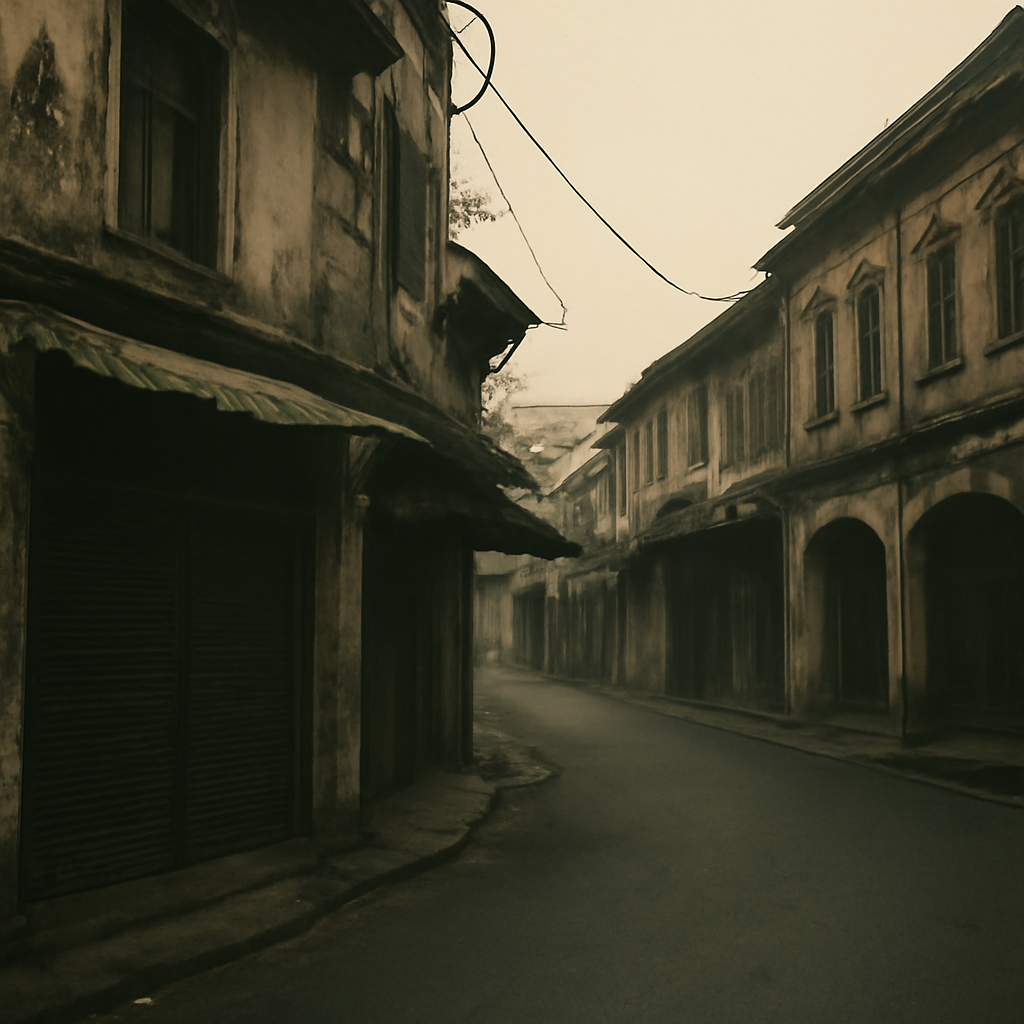
The narrow soi leading to Samrong's forgotten factories feels like slipping into another era, where the hum of traffic fades and the air grows heavy with the scent of damp concrete and wild jasmine. Cracked walls, etched with layers of grime and graffiti, whisper stories of workers long gone, their tools rusted and abandoned under a canopy of tangled vines. As I pause, the distant call of a khlong frog mixes with the creak of metal, pulling me deeper into this urban graveyard.
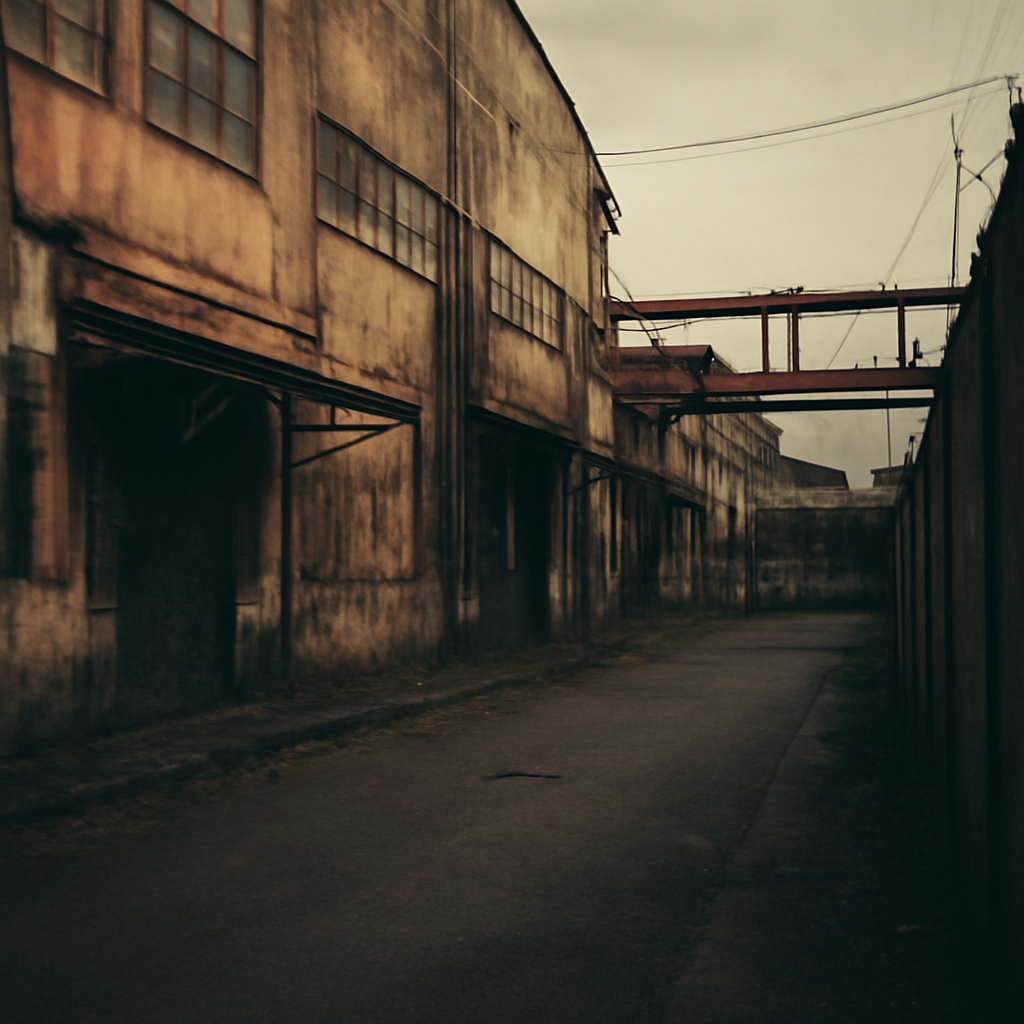
Light filters through shattered windows, casting long shadows that dance across floors strewn with broken glass and faded machinery. The smell of oil and decay clings to everything, a reminder of the industry's pulse that once thrummed here. It's a place where time stands still, inviting quiet reflection on what was lost.
The Layers of Decay
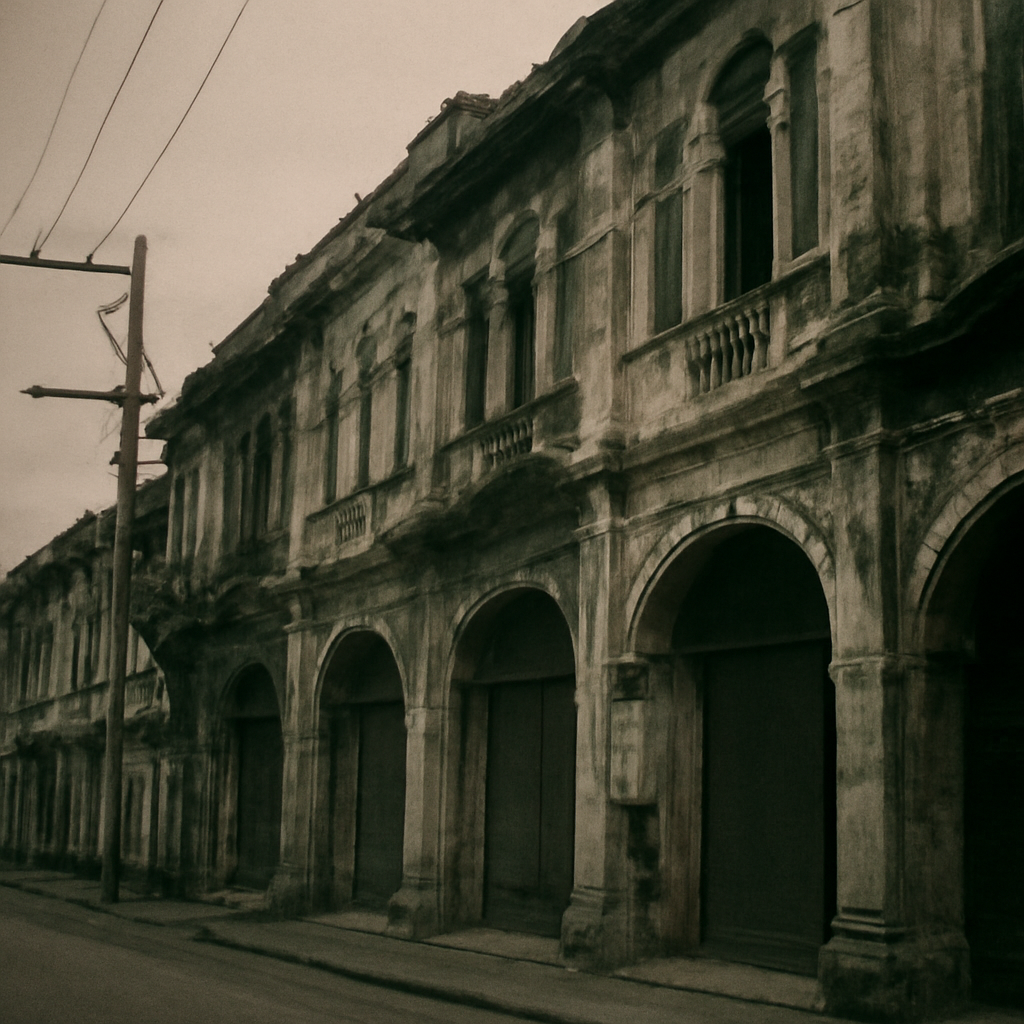
In one corner, an old warehouse looms, its corrugated iron roof sagging under years of neglect, while weeds push through the concrete like insistent ghosts. I hear the rustle of leaves in the wind, mimicking the chatter of long-silent assembly lines, and catch the faint, metallic tang in the air that speaks of bygone production. These structures, once the heart of Samrong's manufacturing, now stand as silent sentinels, their faded signs in Thai script peeling away like old skin.
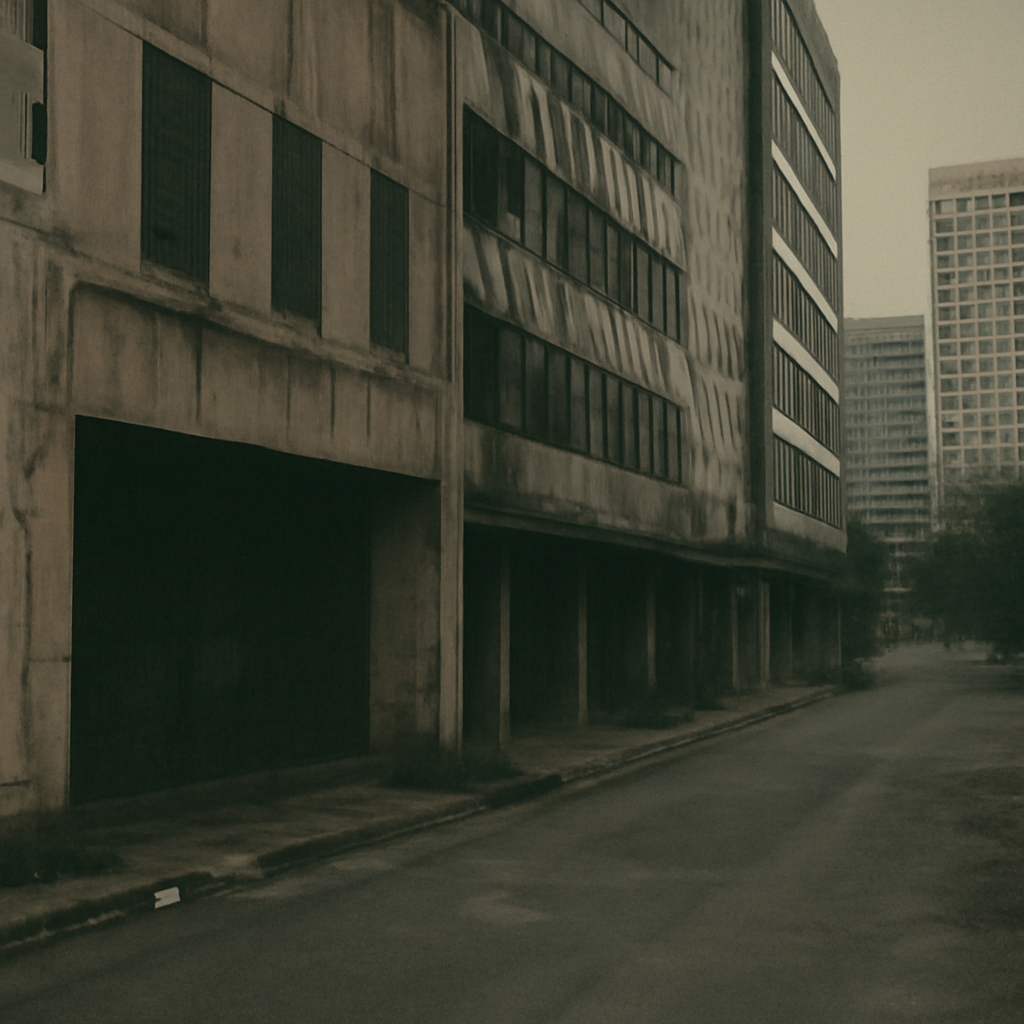
Venture further, and the ground crunches underfoot with discarded scraps—twisted wires, shattered bulbs, and the occasional glint of forgotten baht coins. The air carries a mix of earth and exhaust, a subtle reminder of the city's relentless advance. It's not just ruins; it's a tapestry of urban evolution, where nature reclaims what humanity abandoned.
Sensory Echoes of the Past
The sound of dripping water echoes in empty halls, a rhythmic drip that mimics the beat of old engines. I run my fingers along rough, flaking paint, feeling the texture of history etched into every surface. Out here, the evening calls of street vendors from nearby sois drift in, a distant contrast to the stillness within.
Smells blend—musty wood and the sharp scent of rust—creating an atmosphere that's both melancholic and intriguing. These details draw you in, making you wonder about the lives that unfolded here, the deals made, and the dreams that dissolved into dust.
Navigating the Forgotten Paths
To reach these sites, I weave through narrow alleys off the main road, past bustling food stalls where the aroma of grilled som tum cuts through the decay. The paths are uneven, littered with debris that crunches under my boots, and occasionally blocked by overgrowth that brushes against my camera lens. It's a moderate challenge, but the reward is in the unexpected views—sunset light piercing through broken beams, illuminating dust motes like fireflies.
One path leads to a hidden courtyard, where the silence is broken only by the occasional bark of a soi dog. Here, the air feels cooler, shaded by the hulking forms of derelict buildings, and I pause to capture the play of shadows on weathered walls. This exploration isn't about haste; it's about letting the place reveal itself, one sensory layer at a time.
Encounters in the Ruins
During my wanderings, I spot an old farang bicycle, its frame corroded and tires flat, leaning against a wall as if waiting for its owner. The scent of nearby khlong water mixes with the mustiness, creating a heady blend that lingers in my nostrils. Sounds are sparse—a distant train's rumble, the flutter of birds nesting in the eaves—each one amplifying the sense of isolation.
These moments make the heart race, a mix of thrill and unease, as if the buildings themselves are watching. It's a poetic reminder of Bangkok's underbelly, where the past refuses to fade completely.
Reflections on Faded Glory
As dusk settles, the factories transform, their outlines softening in the twilight, and the air grows cooler with a whisper of rain. I hear the soft sigh of wind through broken panes, carrying echoes of machinery that once defined this soi. The smells shift, from daytime earthiness to a night-blooming floral hint, marking the transition from day to dark.
In these ruins, there's a quiet beauty, a testament to the city's ever-changing face. Exploring Samrong's forgotten corners isn't just about seeing decay; it's about feeling the stories embedded in every crack and shadow, urging us to remember what's been left behind.