Stepping into the Shadows
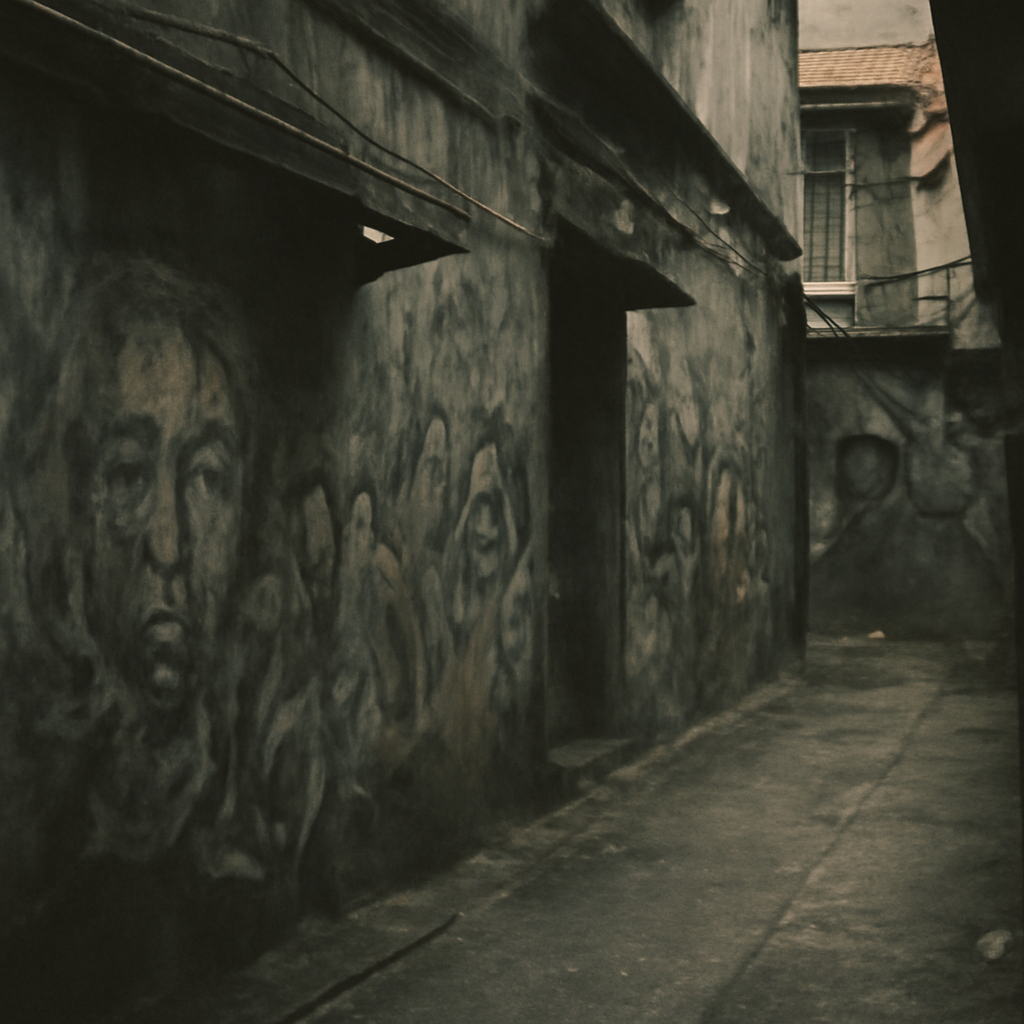
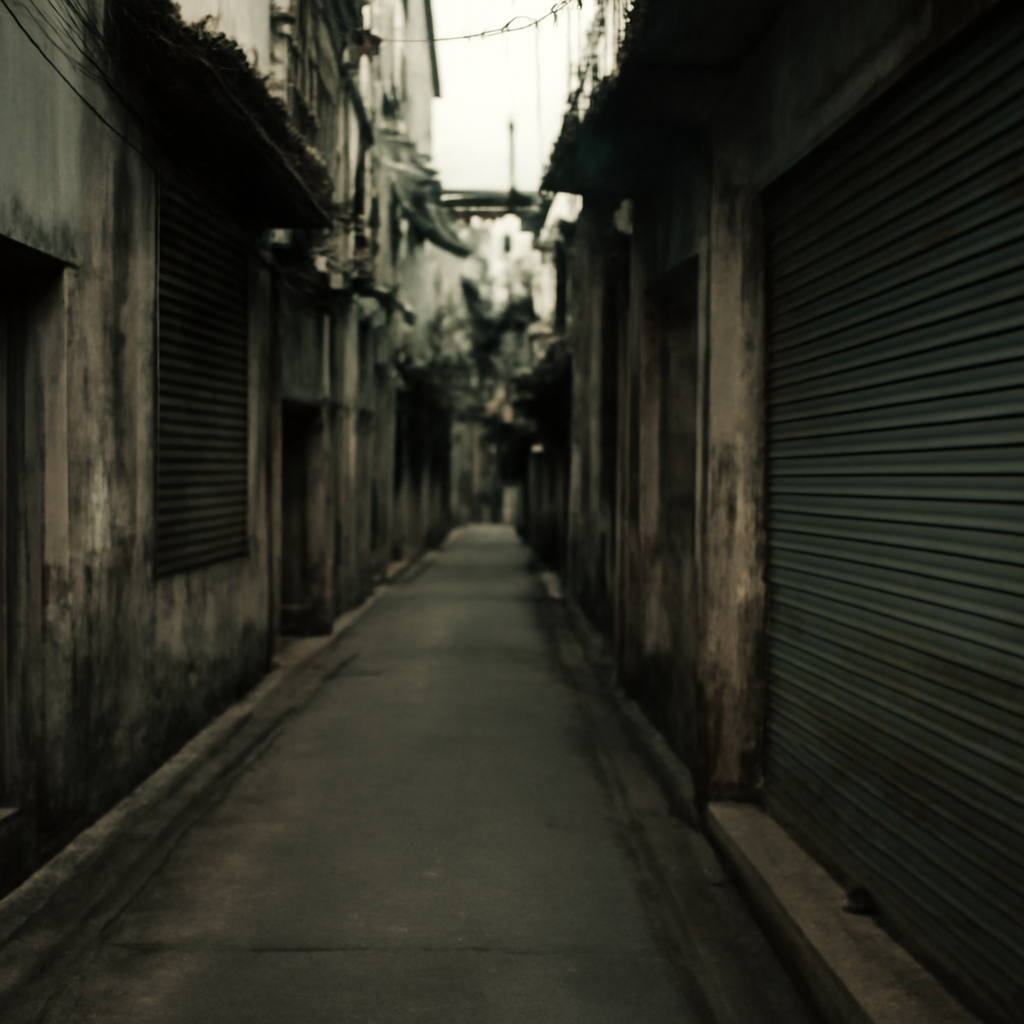
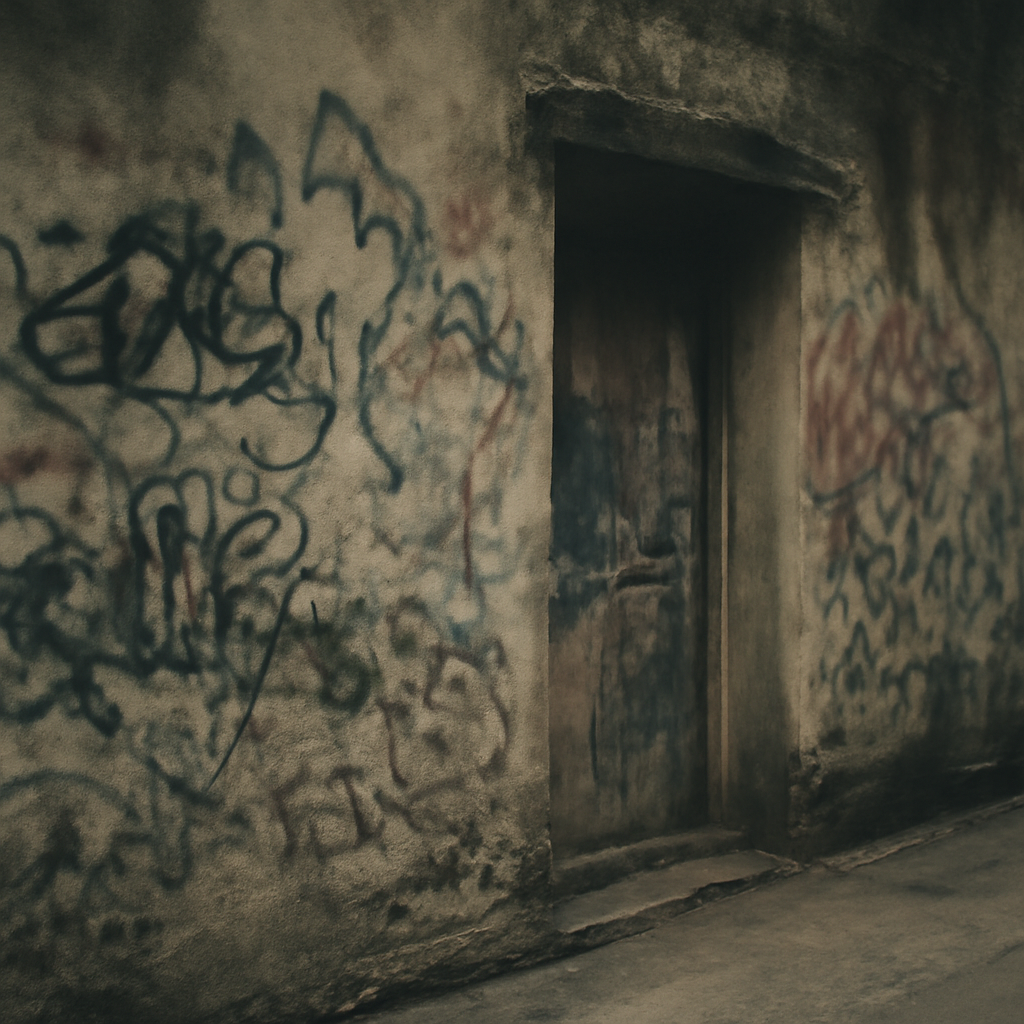
I turn down a narrow soi off Wang Lang, where the air thickens with the scent of frying som tum and diesel exhaust. Walls rise like silent guardians, their surfaces layered in spray paint—cracked layers of red and blue merging into ghostly figures that seem to shift in the fading light. The hum of market vendors haggling in the distance mixes with the faint drip of a nearby khlong, pulling me into a world where art hides in plain sight.
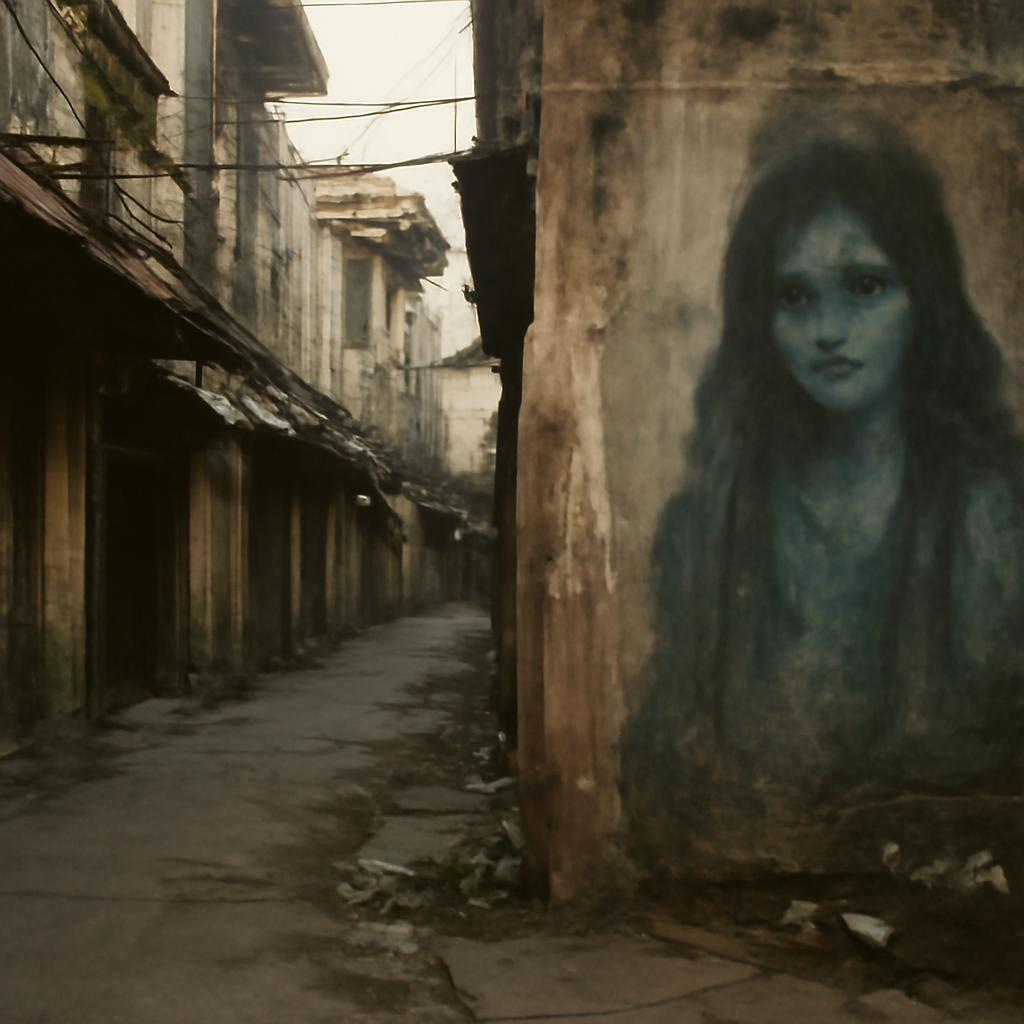
Each mural tells a story, etched over old advertisements and weathered brick. I trace my fingers over the rough texture, feeling the grit of past rains and the smooth curves of fresh tags. It's not just paint; it's a conversation between artists and the city, whispering secrets only the curious might uncover.
The Allure of Aerosol Whispers
Deeper in, a massive installation sprawls across a forgotten warehouse wall, its colors bleeding into the twilight. I hear the distant rattle of a songthaew passing by, its engine echoing against the art like a heartbeat. The smell of jasmine from a nearby stall cuts through the urban haze, making the scene feel alive, almost breathing.
These pieces aren't polished; they're raw, with drips and overlaps that speak of hurried nights and hidden talents. I spot a tag in sharp Thai script, "Krub Krung," scrawled boldly, as if challenging passersby to pause and ponder. It's in these moments that Bangkok's underbelly reveals itself, turning ordinary alleys into canvases of rebellion.
Meeting the Creators in the Dark
One evening, I caught a glimpse of a figure with a backpack, spray can in hand, working under a flickering streetlight. The air filled with the metallic tang of fresh paint, mingling with the earthy rot from the khlong below. He vanished before I could speak, leaving behind a vibrant swirl of colors that danced with the shadows.
From what I've gathered, these artists are locals, drawing inspiration from Wat Arun's spires or the chaos of riverside life. Their work often features motifs of khlong spirits and farang faces, blending tradition with modern defiance. It's a subtle nod to Bangkok's layers, where the old and new collide in sprays of color.
Textures and Sounds of the Streets
The walls here aren't just backgrounds; they're alive with texture—peeling posters stuck under layers of gloss, the occasional bubble of blistering paint from the tropical heat. I stand and listen to the city: honks from motosai zipping through sois, the soft lapping of water against canal edges. Each sound weaves into the art, making it feel like part of the pulse.
There's a particular spot near a food cart, where the aroma of grilled gai yang wafts over a mural of mythical nagas. The heat from the cart warms the air, and I can almost taste the smoke as I examine the intricate details. It's these sensory overlaps that make exploring Wang Lang's art so intoxicating, turning every step into a discovery.
Hidden Installations Along the Khlong
Follow the khlong's edge, and you'll find smaller tags tucked under bridges, their colors muted by moisture and time. The water's murky scent rises, blending with the sharp sting of aerosol residue. Birds chatter overhead, their calls echoing off the concrete, as if commenting on the artwork below.
One installation features recycled materials—bits of metal and plastic fused into a chaotic sculpture, sprayed over with neon hues. It's a commentary on Bangkok's waste, hidden away for those who venture off the main paths. The surprise of finding it makes the hunt worthwhile, a reward for the wandering soul.
The Stories Behind the Spray
Talking to a vendor nearby, I learned that some artists use these walls to protest gentrification, their tags a cry against rising baht in the neighborhood. The air hums with the energy of change, the faint buzz of neon signs flickering to life as dusk falls. It's poetic, how something as ephemeral as graffiti can etch permanence into the city's memory.
I've seen pieces dedicated to local heroes, like a mural of a street musician, his face rendered in bold strokes amid the chaos. The sounds of real musicians playing nearby add to the atmosphere, their melodies weaving through the art like threads in a tapestry. It's a reminder that Bangkok's street art isn't just visual; it's a full sensory experience, layered and alive.
Preserving the Mystery
Yet, much of this remains unseen, the artists working in shadows to avoid prying eyes. The scent of night-blooming flowers mixes with the city's exhaust, creating an intoxicating blend as I explore. Each piece feels like a secret shared, urging me to return and see what's new.
In Wang Lang, the art evolves constantly, washed away by rains or painted over, only to reemerge elsewhere. It's a cycle that keeps the mystery alive, drawing in those who seek the unseen layers of Bangkok.
| Place | What | Access | Hours | Notes |
|---|---|---|---|---|
| Wang Lang Soi 1 Mural | Bold khlong spirits | Walk from pier, turn left at market | Anytime | Best viewed at sunset for natural light |
| Khlong Bang Luang Wall | Faded tags and figures | Follow khlong path from main road | Dawn to dusk | Watch for low tide reflections |
| Market Edge Installation | Recycled metal sculpture | Behind food carts on Soi Wang Lang | Evening only | Chat with vendors for fresh insights |
| Bridge Underpass Art | Abstract Thai script | Under the main bridge, near wat | Anytime | Bring a flashlight for details |
| Riverside Warehouse Mural | Mythical nagas scene | Along the Chao Phraya edge | Sunrise to noon | Avoid high traffic hours |
Key Takeaways
- Explore with an open mind; let the alleys guide you to unexpected art.
- Respect the artists by not touching or photographing without discretion.
- Carry a notebook to jot down sensory details for your own urban adventures.